
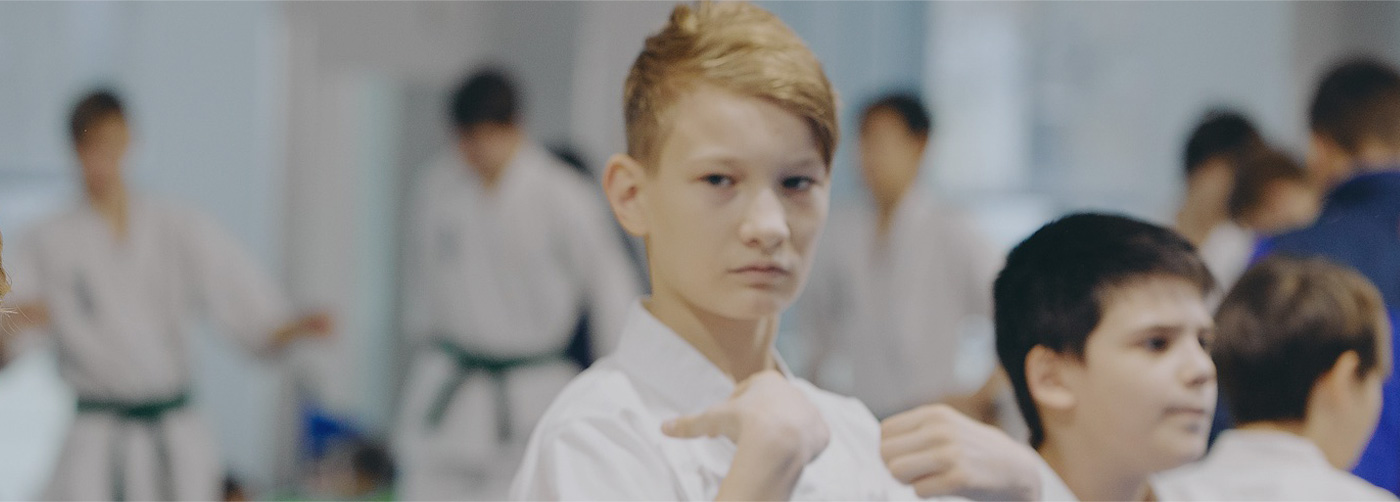
Our Trainers are Qualified with the Grand master being registered in the World taekwondo
Courses with a successful approval to be a Master and an Examiner from the Kukkiwon.
The Instructors have had with a combined experience of 50 yrs and from our Club we have made local , State & Australian Champions along with International Competitions and winning medals.
Our Insructors have experience with ages from 4.5yrs to 90 years, along with physically challenged students.
Our Club have a working with Chilkdren approval.
What you improve on our work outs
Our work outs are to the standards of what is practiced worldwide with guidance from Doctors and Physiotherapist on how to get the best out of your training.
Flexibility agility, discipline, and courage these are the 4 things that are taught while at training.
Flexibility: this in return improves your body to resist muscle injury and strain over a short time you will see your flexibility improve.
Agility: is an ability to change the body’s position quickly and requires the integration of isolated movement skills using a combination of balance, coordination, speed, reflexes, strength, and endurance. More specifically, it is dependent on these six skills:
- Balance – The ability to maintain equilibrium when stationary or moving (i.e., not to fall over) through the coordinated actions of our sensory functions (eyes, ears and the proprioceptive organs in our joints);
- Static balance – The ability to retain the centre of mass above the base of support in a stationary position.
- Dynamic balance – The ability to maintain balance with body movement, an equal distribution of weight.
- Speed – The ability to move all or part of the body quickly.
- Strength – The ability of a muscle or muscle group to overcome a resistance; and lastly,
- Coordination – The ability to control the movement of the body in co-operation with the body’s sensory functions (e.g., in catching a ball [ball, hand, and eye coordination]).
In sports, agility is often defined in terms of an individual sport, due to it being an integration of many components each used differently (specific to all of sorts of different sports). Sheppard and Young (2006) defined agility as a “rapid whole body movement with change of direction or velocity in response to a stimulus.
Discipline: using a five-step rule-based technique to help create solutions:[13]
- Support – Makes the student feel valued.
- Expectation – Reinforces what is expected.
- Breakdown – Communicates how the expectation broke down or where there was a failure to meet.
- Benefit – Relays to the student how important it is to meet the expectation and how it benefits them.
- Closure – Determine whether the situation has been resolved or if the conversation is at a place where the student can move on
Courage/Confidence: is the choice and willingness to confront agony, pain, danger, uncertainty, or intimidation.
Services & Benefits: In this club we have a variety of persons with Qualification Trades, In which we assist all.
Comfortable training area.
At the national sports club we have a large area the size of an international basketball court
With WC facilities and ample parking with high ceilings and greenery parks around it for outside training.
Reasonable Prices
Our training monthly fee prices would be the cheapest in Sydney we match anybody who are cheaper.
It is as simple as that.
Effective work outs
We strive to give you the best training we can with a training schedule to be pleased with
From Flexibility, Poomsae (Patterns) Kicking Punching Weapons, and arm to arm self-defence.
Along with fighting drills you walk out feeling that you have had a good training session.
Individual Approach
We do have an individual approach we can write up some specific training techniques for different people who require certain things to improve their skill.
Self-Discipline
Self-discipline is the ability to control your behaviour in a way that leads you to be more productive and/or have better habits. It is proven to lead to increased success.1 Learning self-control and discipline early in life is helpful for decades to come,2 but it is never too late to learn how to improve your self-discipline so that your future can be a better one.
If you’ve experienced frustration around having a lack of attention span, not achieving goals, or not knowing what to do with your life, you may be struggling with self-discipline. It takes some time to become more disciplined, but it’s worthwhile!
Tactics & Reaction
When something happens that gets your blood boiling, it’s hard not to give in to your first instinct and react emotionally — but nothing feels worse than regretting an extreme reaction to a situation. Thankfully, there are mental tricks you can use to prevent you from overreacting, and utilizing these tactics can help you communicate more calmly and effectively. It’s OK to feel heightened emotions in hard moments, but you want to make sure you don’t do anything rash or hurtful that you may regret later. decision-making can become adversely affected and you might feel thrown off or disoriented. ‘Hijacks,’ however, can be controlled with practice and persistence. We can help.
Additional Training Centres
Mortdale Scouts Hall
Macquarie Fields Fitness & Indoor Sports Centre